Staining or painting interior trim and doors
Stain shows the grain, paint hides it. How to decide for your doors, trim, stair treads and rails, based on the wood you have and how the room is used.
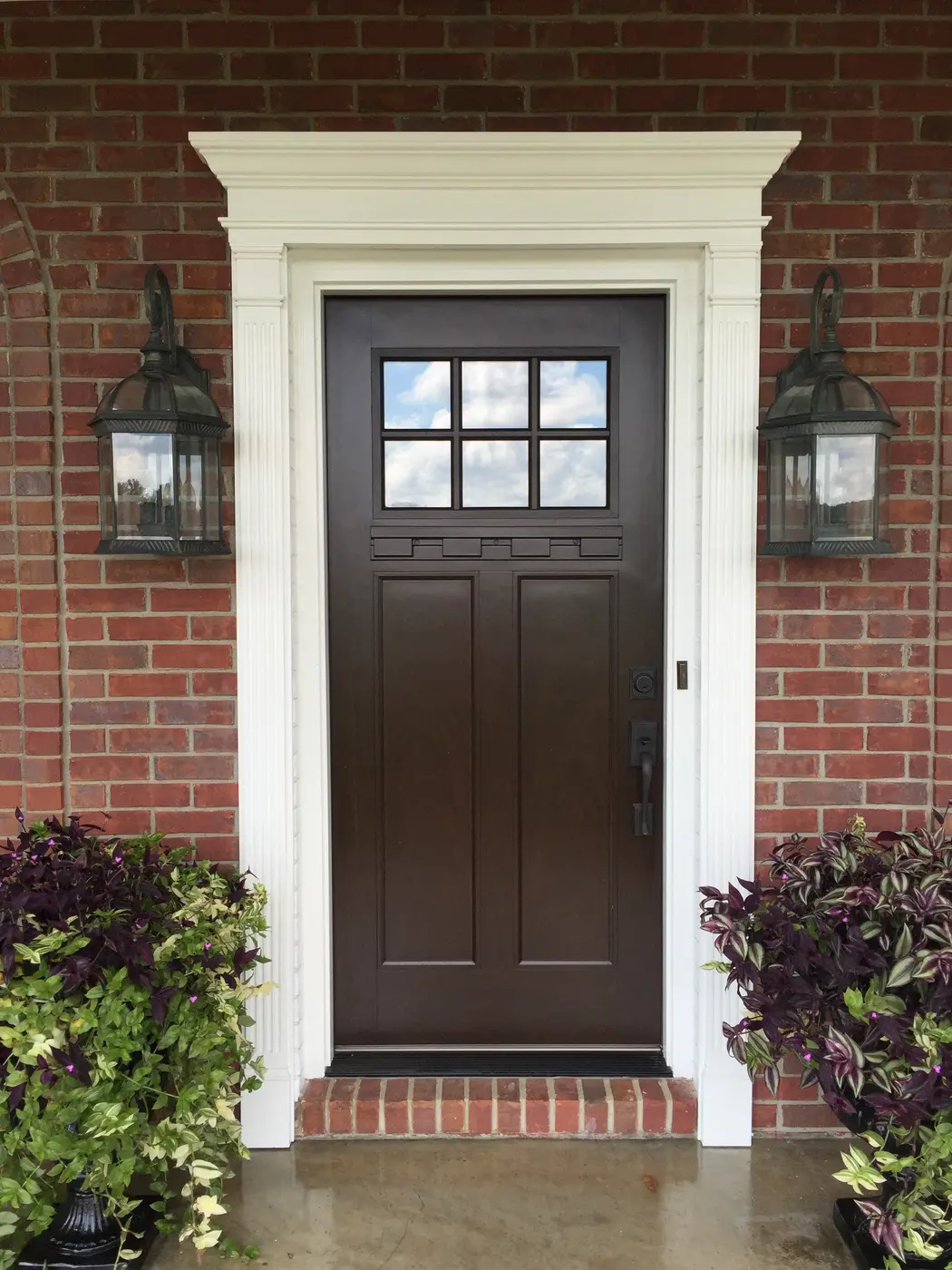
The short answer: stain wood that is worth showing, and paint wood that is not. The longer answer depends on what your trim and doors are actually made of, what condition they are in, and how you want the room to feel. Get it right and the woodwork ties the house together. Get it wrong and you end up with blotchy stain on wood that was never meant to be seen, or paint over a solid hardwood door you later wish you had kept natural.
This guide walks through how to tell what you have, when each option makes sense and how the two can work together. For our process, see wood staining and interior painting.
Start with what the wood is made of
Before thinking about color, figure out the material. In North County you will find everything from solid wood trim in older Craftsman and ranch homes to MDF and finger-jointed pine in most tract homes built in recent decades.
Solid hardwood
Oak, mahogany, alder, walnut and similar woods have a grain worth showing. They take stain well and are the strongest case for staining.
Solid softwood
Pine and fir can be stained, but softwoods often absorb stain unevenly and turn blotchy. A pre-stain conditioner and careful application help. Many softwood trim pieces are painted for that reason.
Finger-jointed pine
Short pieces of wood glued together end to end. Look closely and you will see zigzag joints every foot or two. It is made to be painted; stain highlights every joint.
MDF
Medium-density fiberboard has no grain at all. It is smooth, stable and made to be painted. It cannot be stained in any meaningful way.
A quick test: look at the back of a door or the end of a piece of trim, or check inside a closet where the finish may be thinner. If you see continuous grain, it is likely solid wood. If you see a uniform, fibrous edge or zigzag joints, plan on paint.

When stain is the better choice
- Solid hardwood doors, rails and treads with attractive grain.
- Entry doors that set the tone for the house, especially in Spanish, Craftsman and Mediterranean homes common around North County.
- Rooms where you want warmth and contrast against light walls.
- Homes with existing stained wood you want to match, such as beams, cabinets or floors.
- High-touch areas like handrails, where a clear protective finish over stain wears well and is easy to refresh.
Stained wood is usually finished with a clear topcoat for protection. See wood varnishing for more on clear finishes.
When paint is the better choice
- MDF or finger-jointed trim, which does not stain well.
- Trim with lots of filler, patches or nail holes, which paint hides and stain shows.
- A brighter, cleaner, more uniform look, which suits most modern and coastal interiors.
- Dated orange or yellowed stained trim that makes a room feel heavy. Painting it is one of the most noticeable updates you can make.
- Mismatched woods from past remodels that do not stain to the same color.
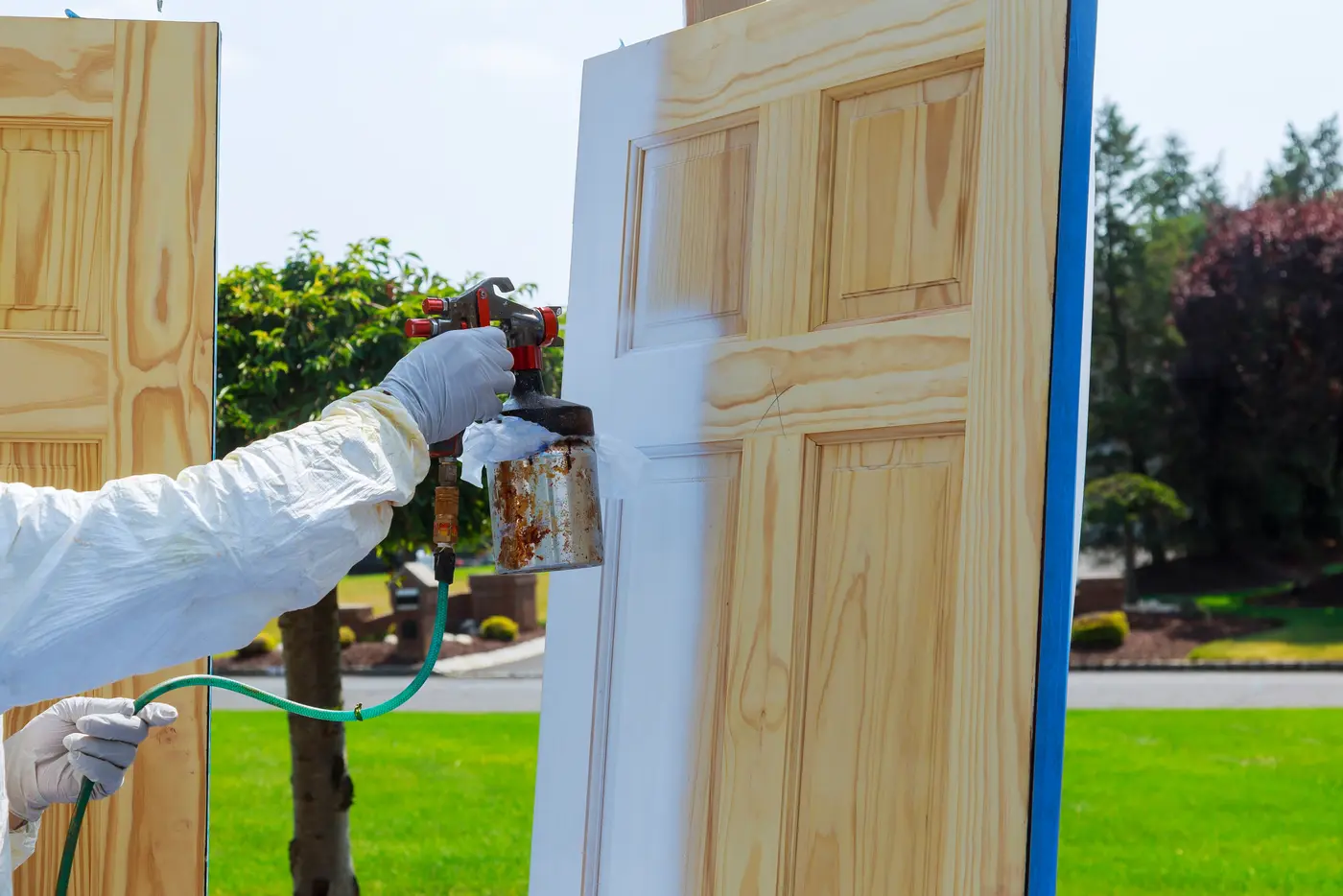
Painting over stained wood
This is a common request, and it is very doable when prep is done properly. Paint applied straight over glossy stain and varnish will scratch off. The usual steps:
- Clean the surface to remove grease and grime, especially around handles and switches.
- Scuff-sand the existing finish so primer can grip.
- Fill nail holes and gaps, and caulk joints where trim meets the wall.
- Apply a bonding primer. Some woods, like oak, have open grain that may show through; others, like knotty pine, can bleed tannins, which a stain-blocking primer stops.
- Apply finish coats in a durable enamel suited to trim and doors.
Doors are often removed and sprayed, which gives a smoother finish than brushing. See door painting for details.
Going the other way: paint back to stain
Removing paint from trim to get back to natural wood is possible, but it is slow, detailed work, and the wood underneath may have been chosen with paint in mind. Before committing, it is worth testing a small, hidden area to see what is under there. In many cases it is simpler to replace a few pieces with new stain-grade wood.
Mixing both
Some of the best-looking homes use both. Common pairings:
- A stained front door in painted casing, like the photo at the top of this post. The door stands out; the casing ties it to the wall.
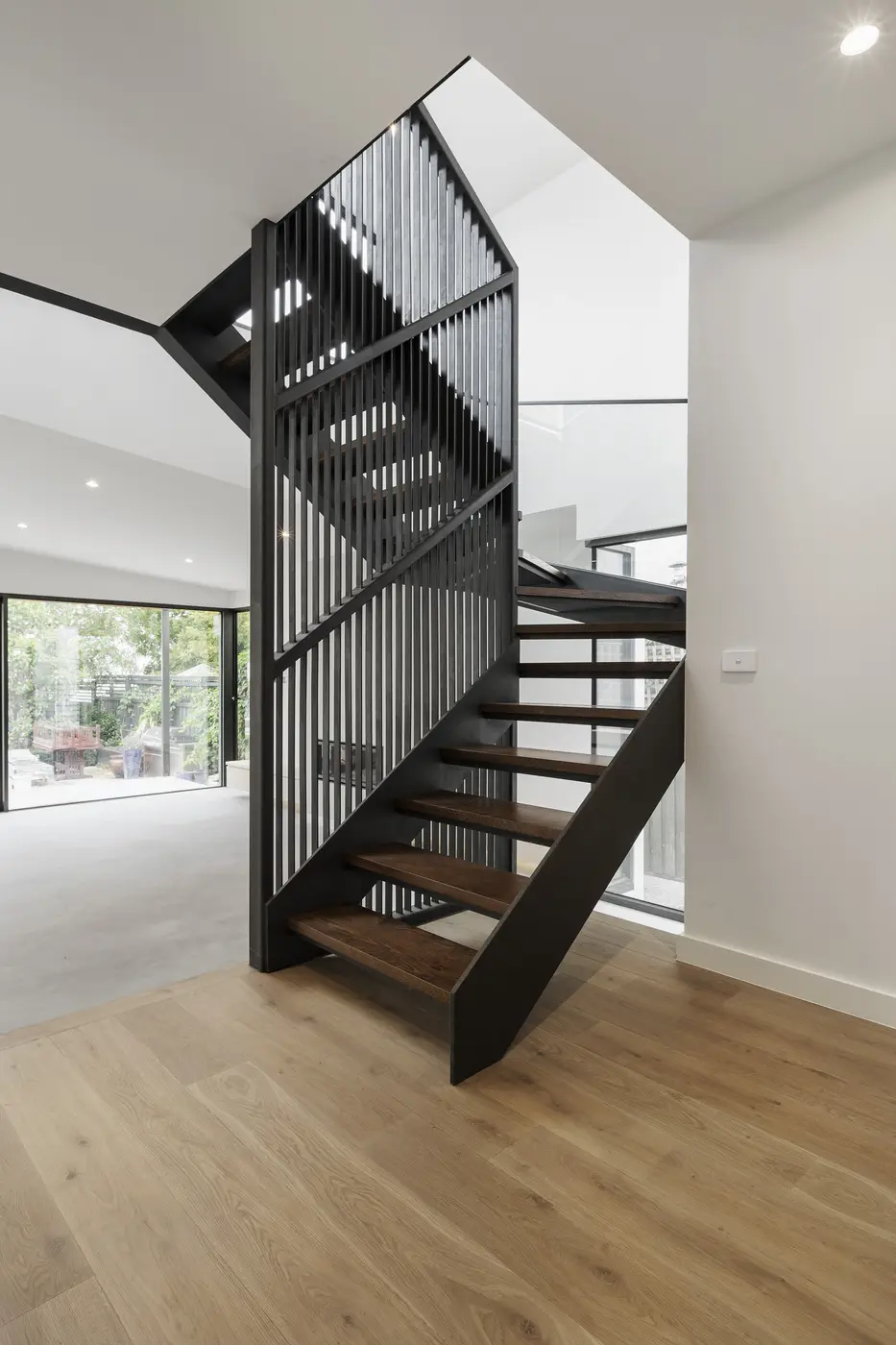
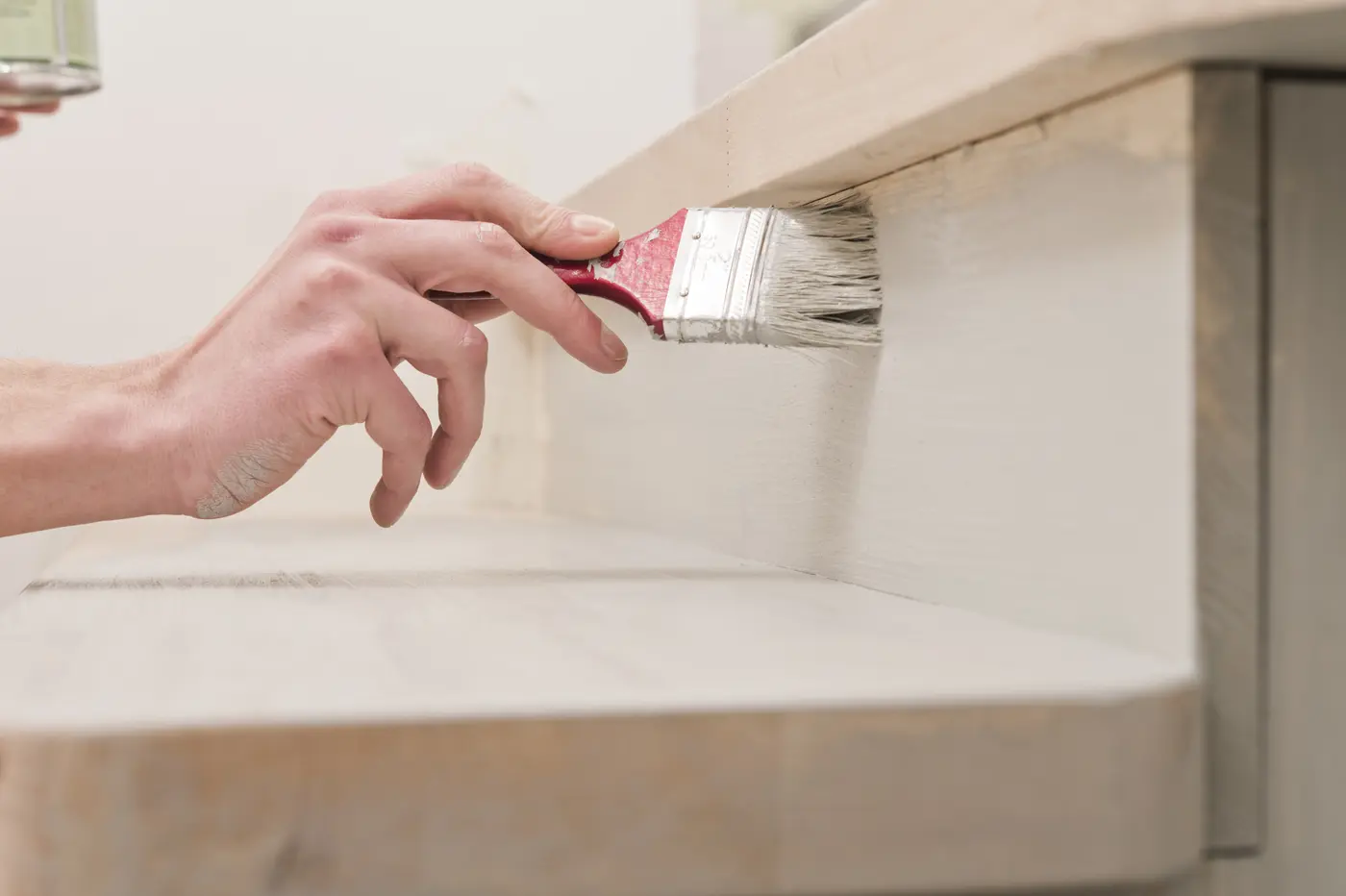
- Stained stair treads with painted risers and a painted or stained handrail. The treads take wear and look warm; the risers stay crisp.
- Stained interior doors with painted trim, a classic look in older homes.
- Painted cabinets or built-ins with a stained top or open shelving.
Sheen and durability
For painted trim and doors, satin or semi-gloss are the usual choices. They are easier to clean than flat finishes and stand up to hands, shoes and vacuum bumps. Higher sheen also shows surface flaws more, so good prep matters even more.
For stained wood, the clear topcoat sets the sheen. Matte and satin clear finishes look more natural. Higher gloss looks more formal and can be easier to wipe clean.
Frequently asked questions
Can I stain MDF trim to look like wood?
Not with a true stain. There are faux wood-grain techniques, but for most homes it is better to paint MDF and use real wood where you want a stained look.
How long before painted doors can be rehung and used?
Paint can feel dry within hours, but enamels take longer to fully cure and harden. Doors are usually rehung after they are dry enough to handle, then treated gently for the first few weeks.
Will painted trim yellow over time?
Some oil-based paints yellow, especially in rooms with little natural light. Many waterborne trim enamels resist yellowing better. We can talk through options during the estimate.
Do you stain exterior doors and gates too?
Yes. Exterior wood faces sun and, near the coast, salt air, so it needs a finish made for outdoor exposure and more frequent maintenance than interior wood.
Let us take a look
Not sure what your trim is made of? We can tell quickly in person. If you are also thinking about a decorative wall finish, see our guide to Venetian plaster, limewash and Roman clay. When you are ready, get a free estimate and tell us what the wood is, or call (760) 852-7398.
More posts
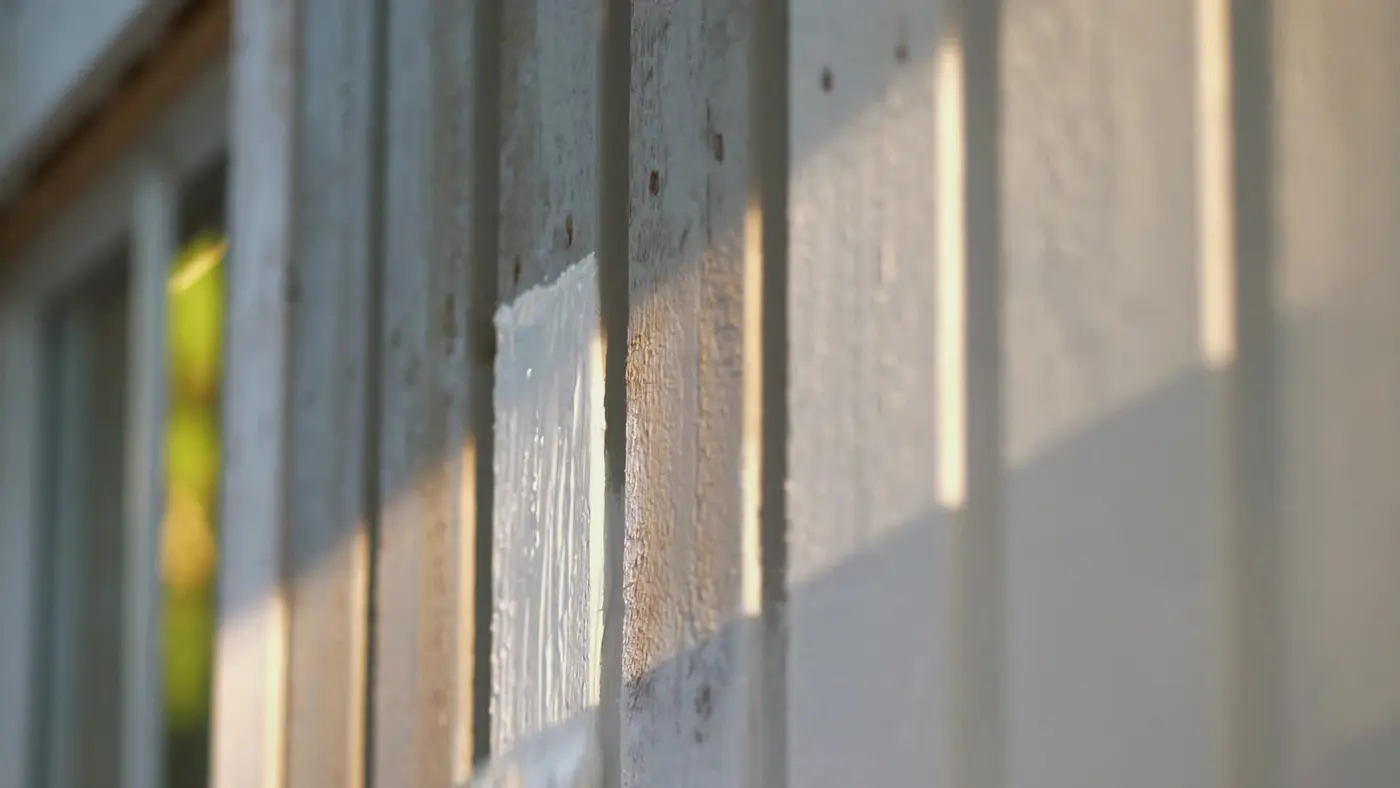
Venetian plaster, limewash or Roman clay: which finish fits the room
Venetian plaster, limewash and Roman clay all look 'textured', but they differ in sheen, depth, durability and labor. How to pick the right one for each room.
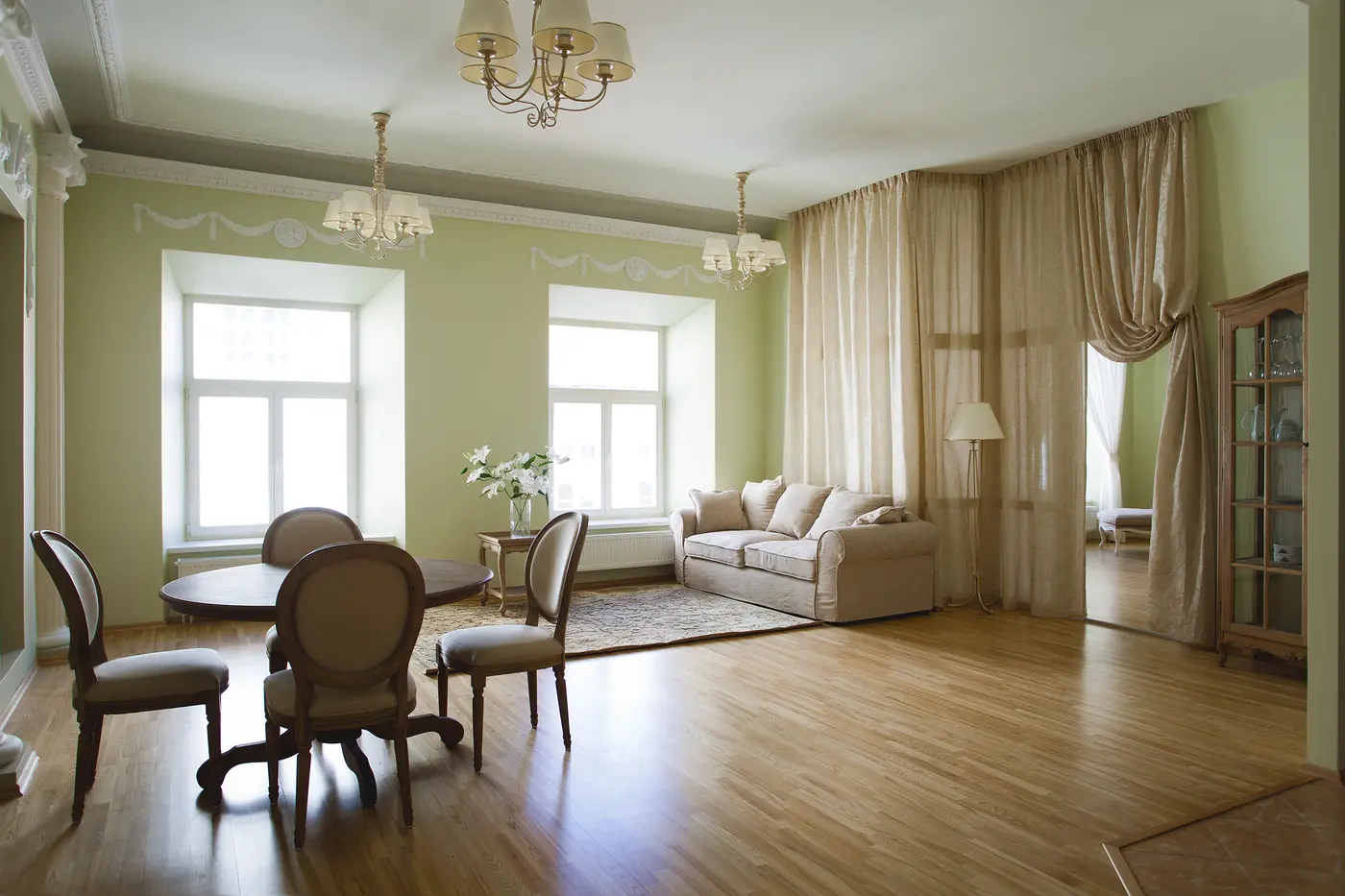
What venetian plaster costs in North County, and why
Venetian plaster pricing swings widely. Here is what drives the number up or down: prep, size, height, polish, coats, access and sealing, and how to keep it in budget.
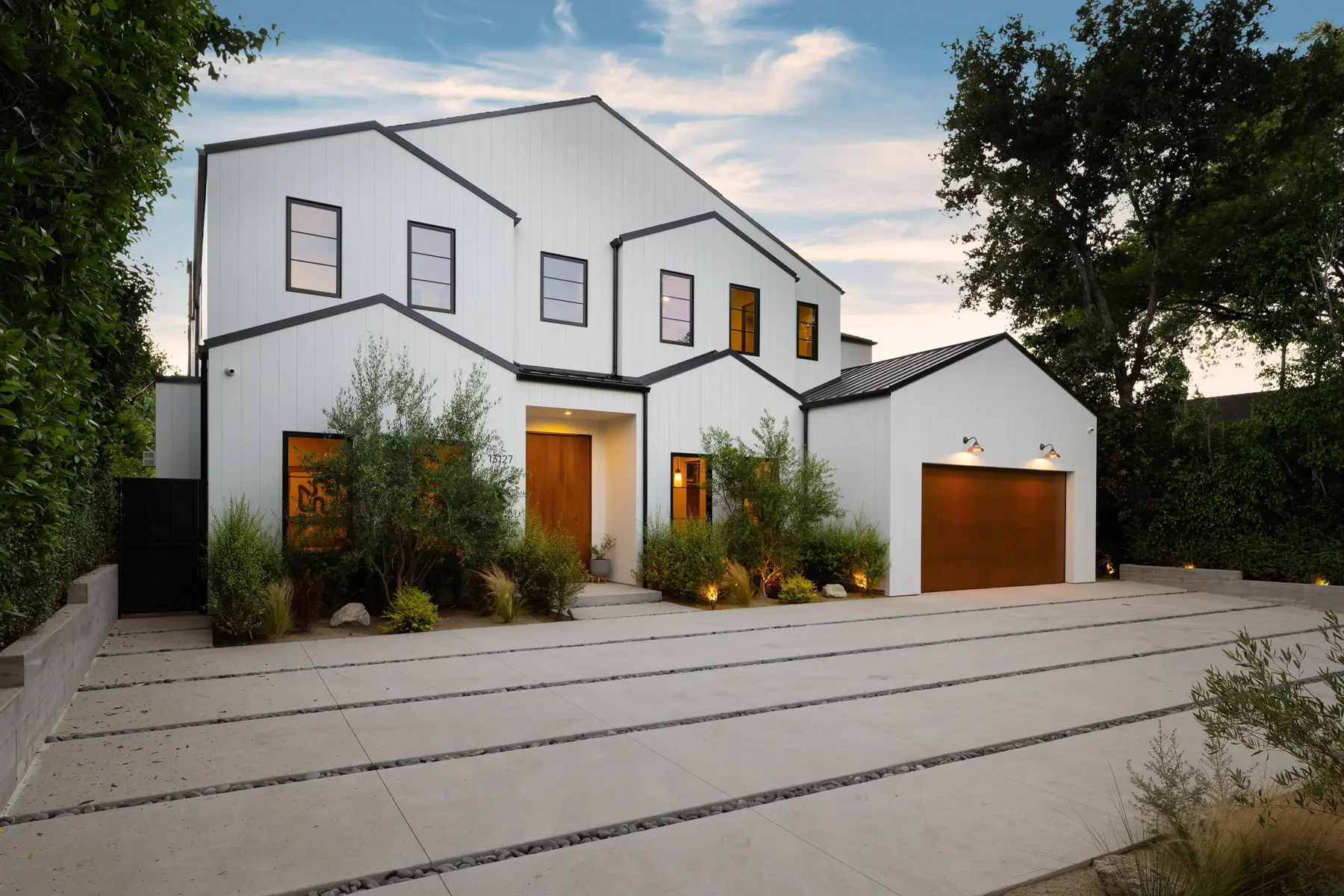
Painting an exterior in the Rancho Santa Fe Covenant
Inside the Rancho Santa Fe Covenant, exterior changes go through Association review. How to plan colors, samples and scheduling so a repaint runs smoothly.